
Mouth Ulcers
Mouth Ulcers Treatment in Doncaster East
Mouth Ulcers
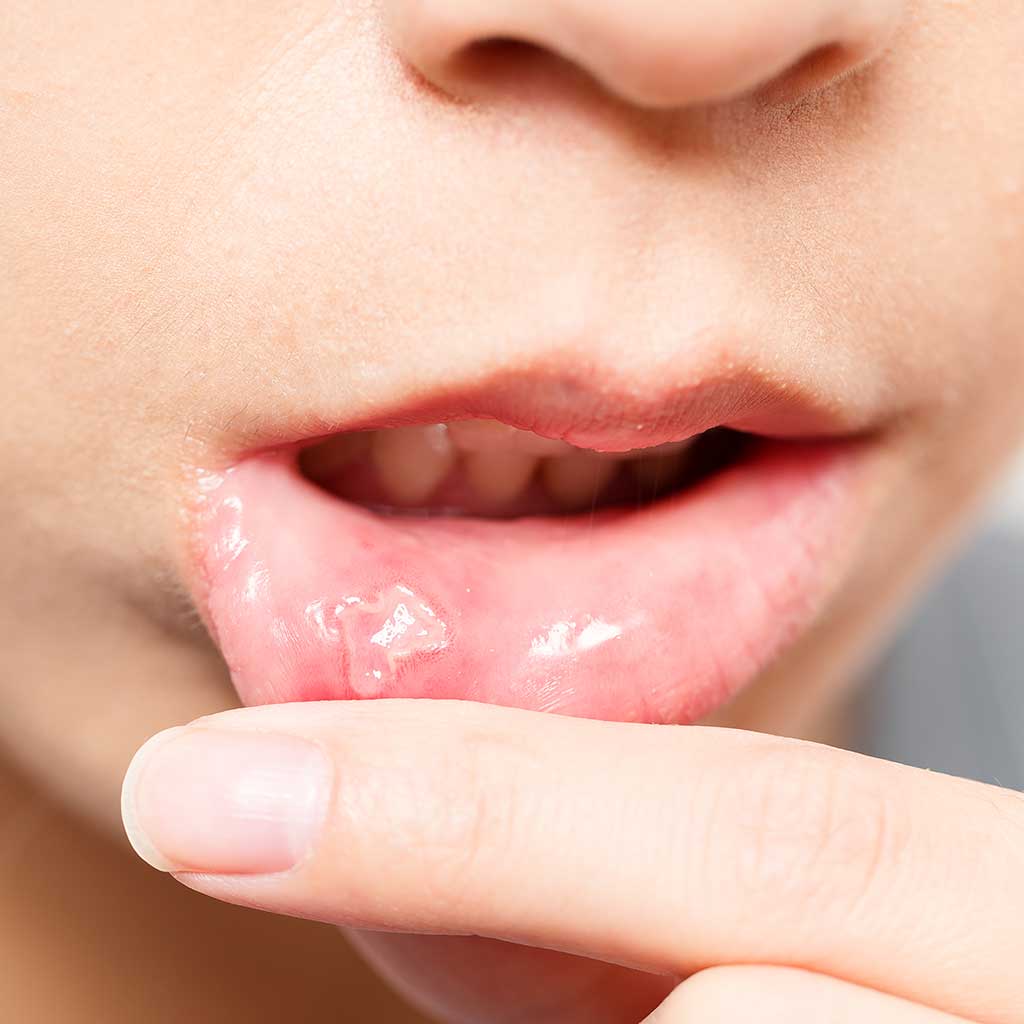
Mouth ulcers, sometimes known as canker sores, are tender sores inside your mouth or on the gums, cheeks or the roof of your mouth. People often recognise them by their round white or yellowish shape surrounded by red, inflamed tissue. Mouth ulcers aren't contagious and usually go away within a couple of weeks. However, if a canker sore is large, extremely painful, or lasts a long period of time without healing, you should seek the advice of a doctor or dentist.
There is no definite cause, and people with a family history of mouth ulcers are at higher risk. The most common triggers have been identified as:
- Minor mouth injury from dental work, hard brushing, a sports injury, or an accidental bite.
- Toothpastes and mouth rinses that contain sodium lauryl sulfate.
- Dental braces.
- Food sensitivities to acidic foods like citrus fruit, and other trigger foods like chocolate and coffee.
- A lack of essential vitamins, especially B12, zinc, folate and iron.
- Hormonal changes during menstruation.
- Emotional stress or lack of sleep.
- Bacterial, viral or fungal infections, or allergies.
Mouth ulcers usually heal without treatment, but these lifestyle measures can help ease or prevent them:
- Rinsing with salt water and baking soda.
- Placing milk of magnesia on the mouth ulcer.
- Covering the ulcer with a baking soda paste.
- Using over-the-counter benzocaine (topical anaesthetic) products.
- Applying ice to the sore.
- Using a mouth rinse that contains a steroid to reduce pain and swelling.
- Using topical protective pastes.
Mouth ulcers can also have a completely different cause, including infection, gastrointestinal disease, oral cancer, non-Hodgkin lymphoma, burns, lichen planus, hormonal changes and abruptly quitting smoking.
So if it concerns you, it's best to let our friendly team at B Dental take a look for further examination and professional advice.